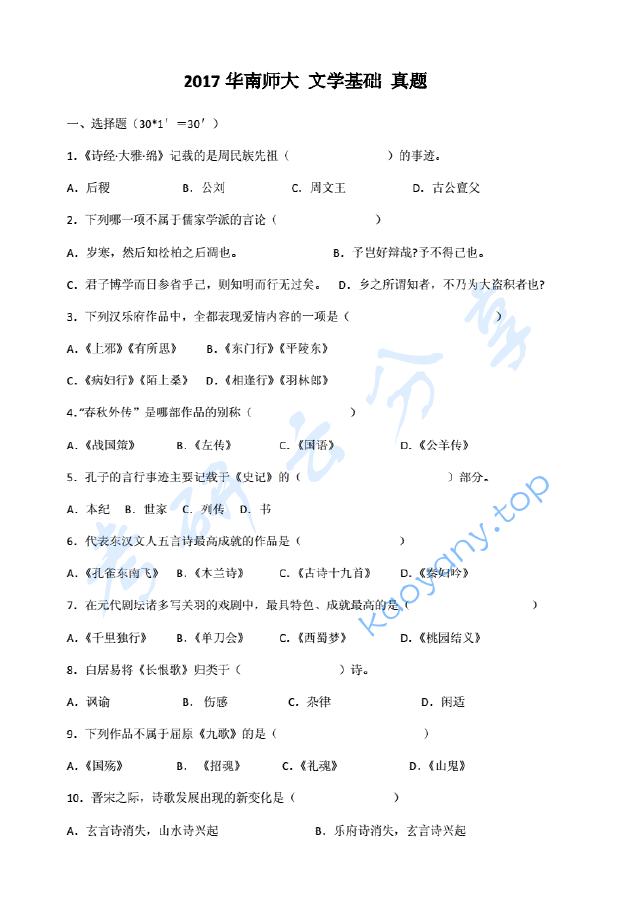
真题

文章排序
站内搜索
会员免费

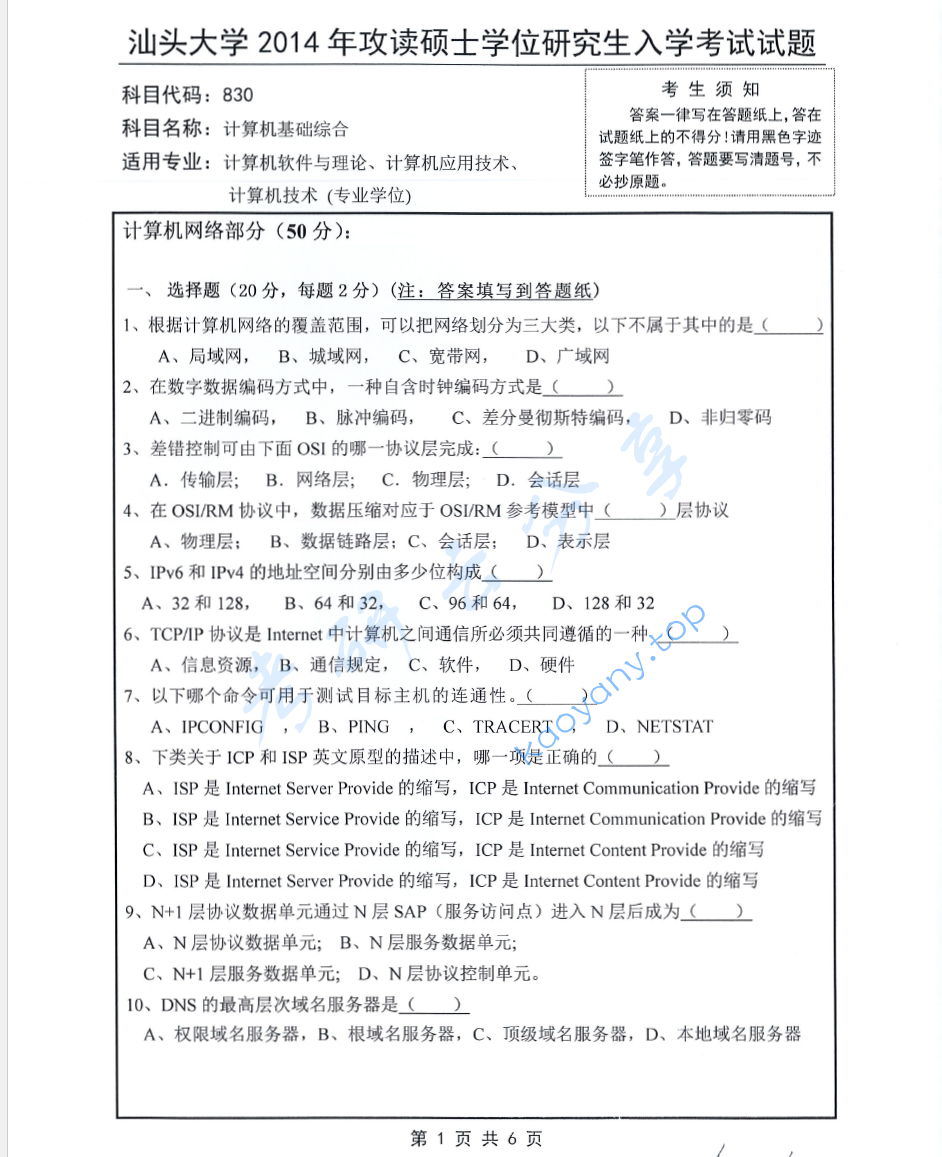
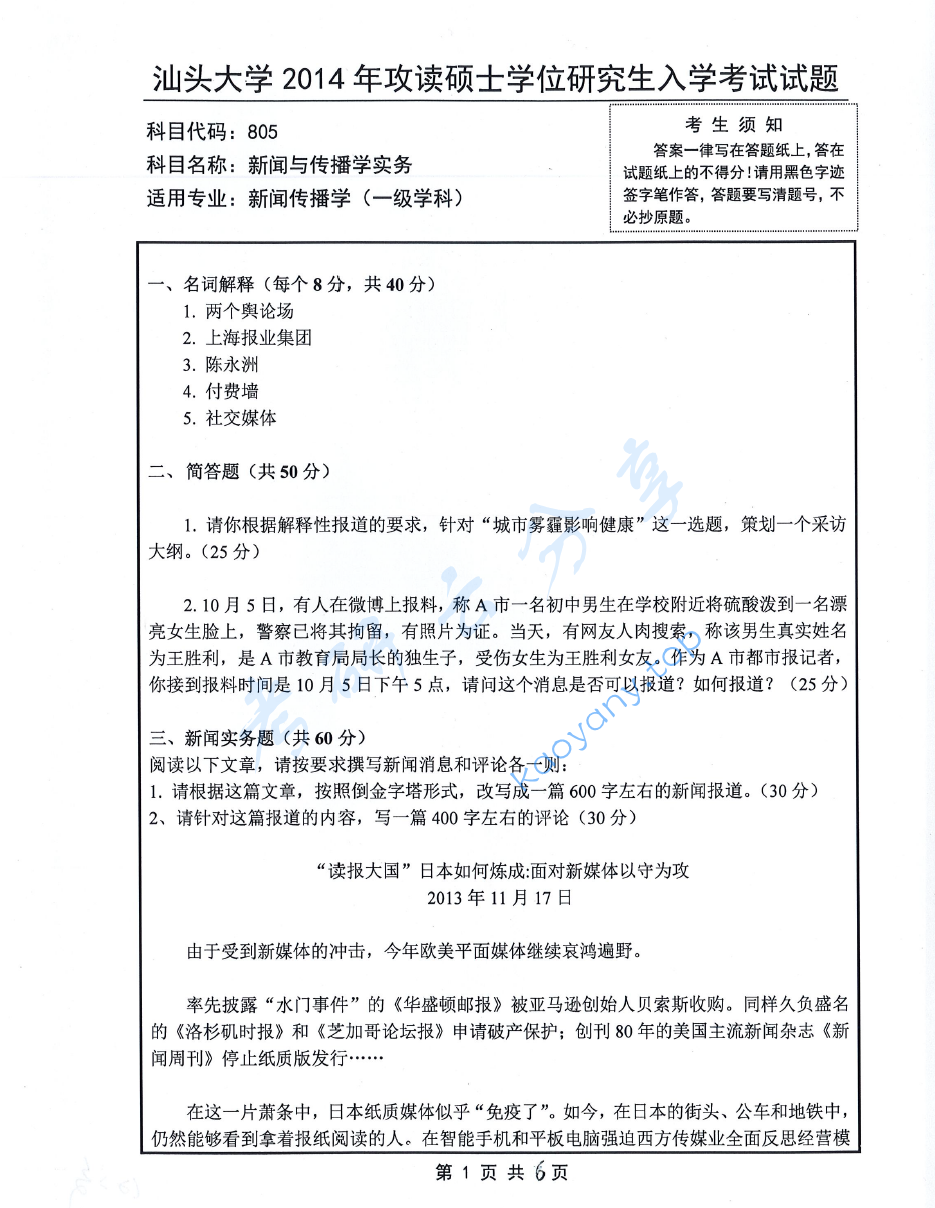
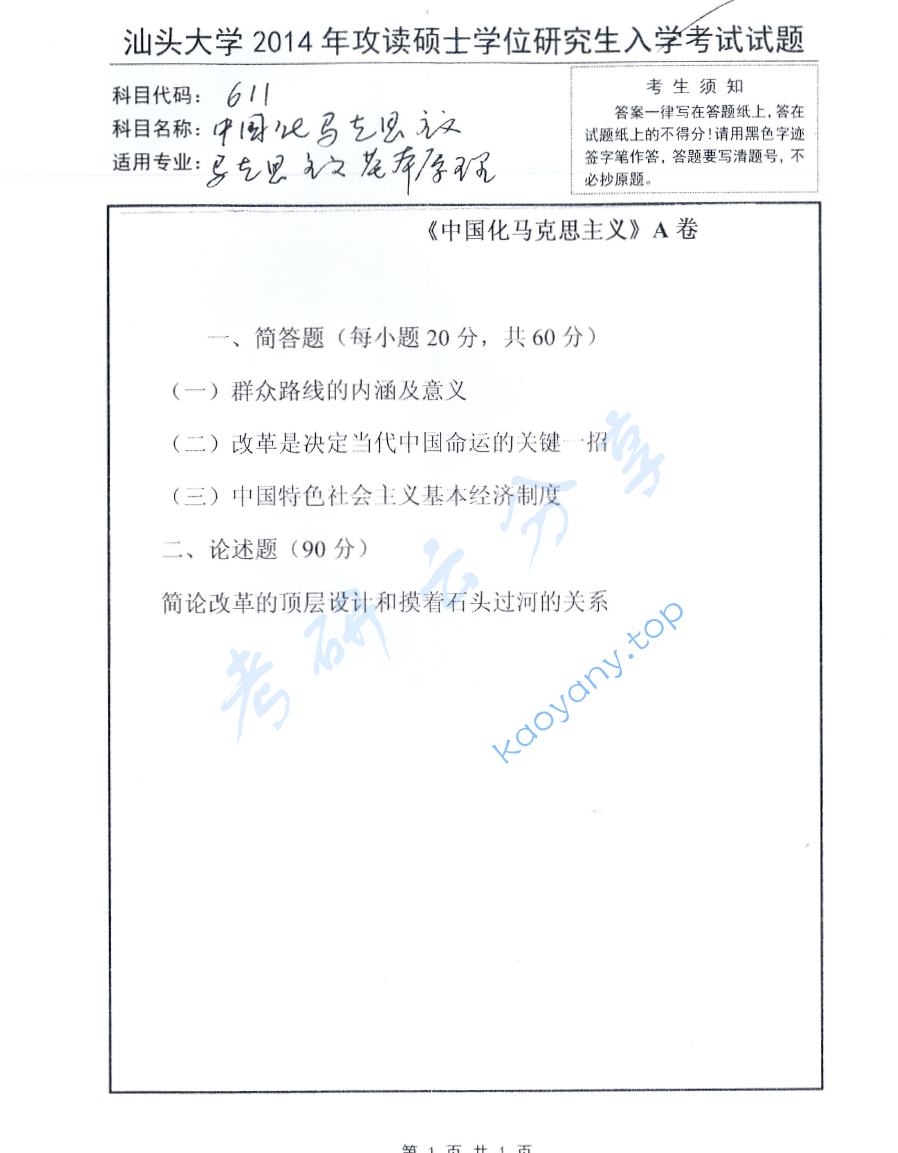
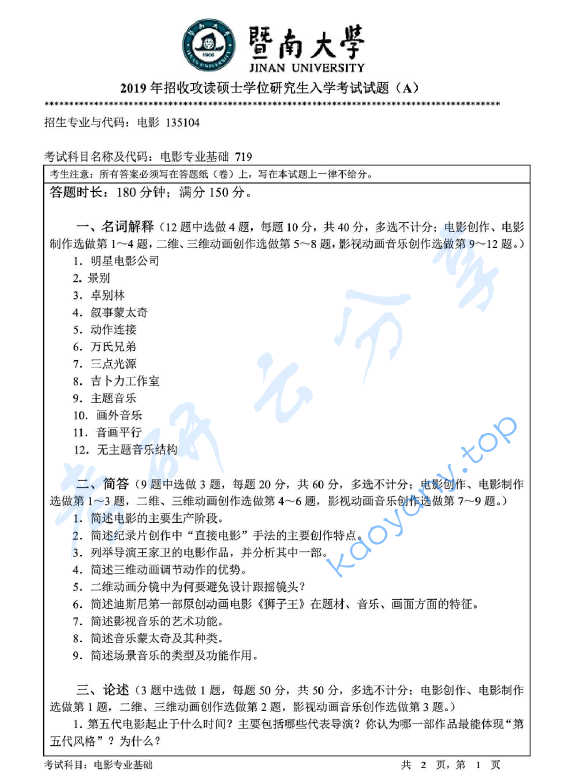
2012年南开大学720文学基础考研真题

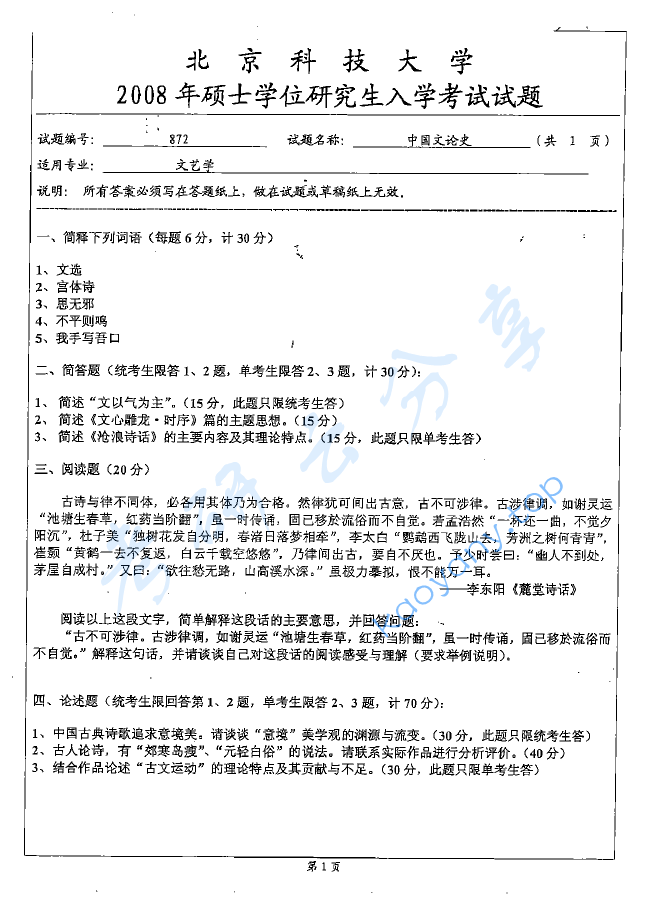
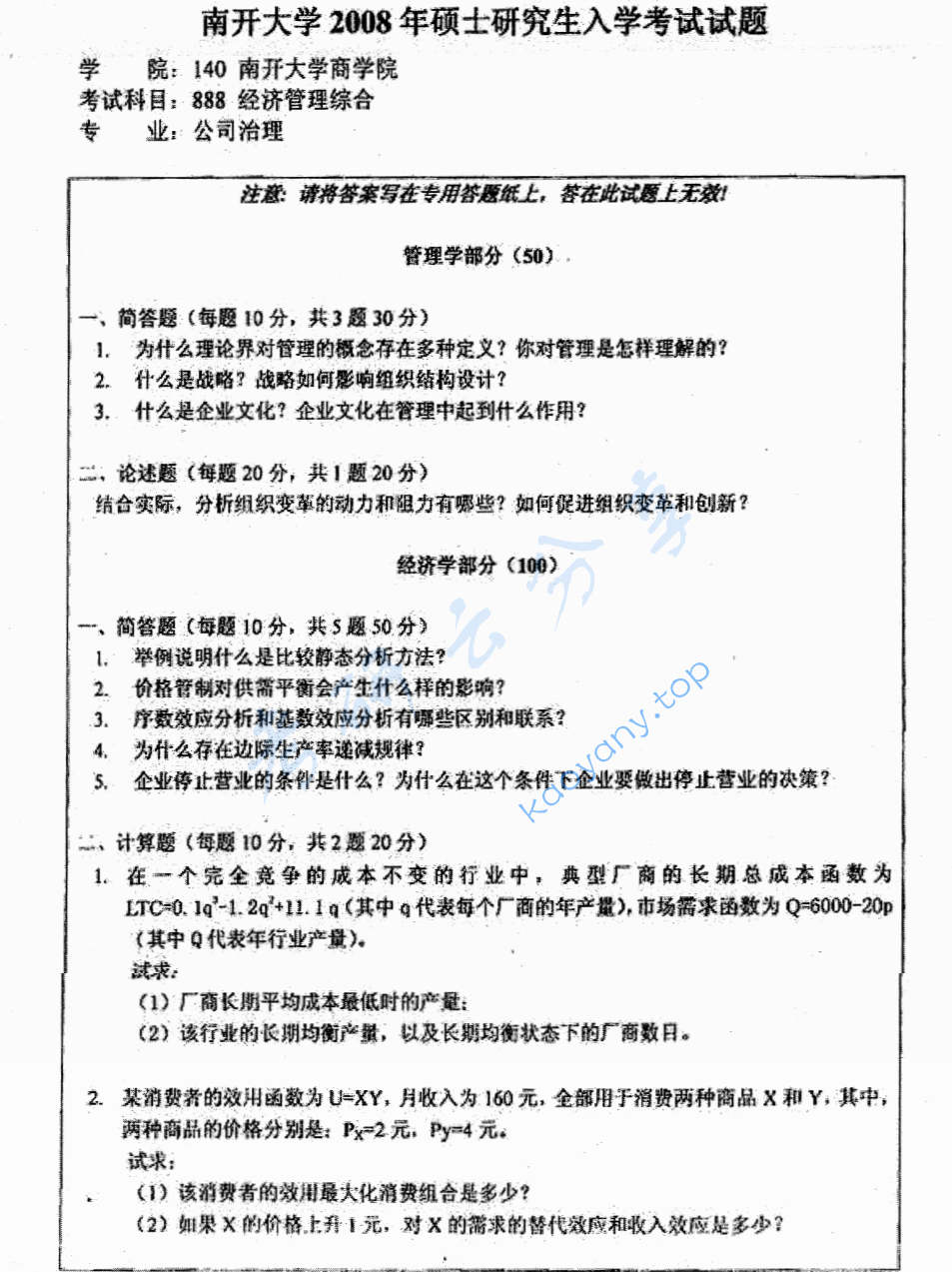
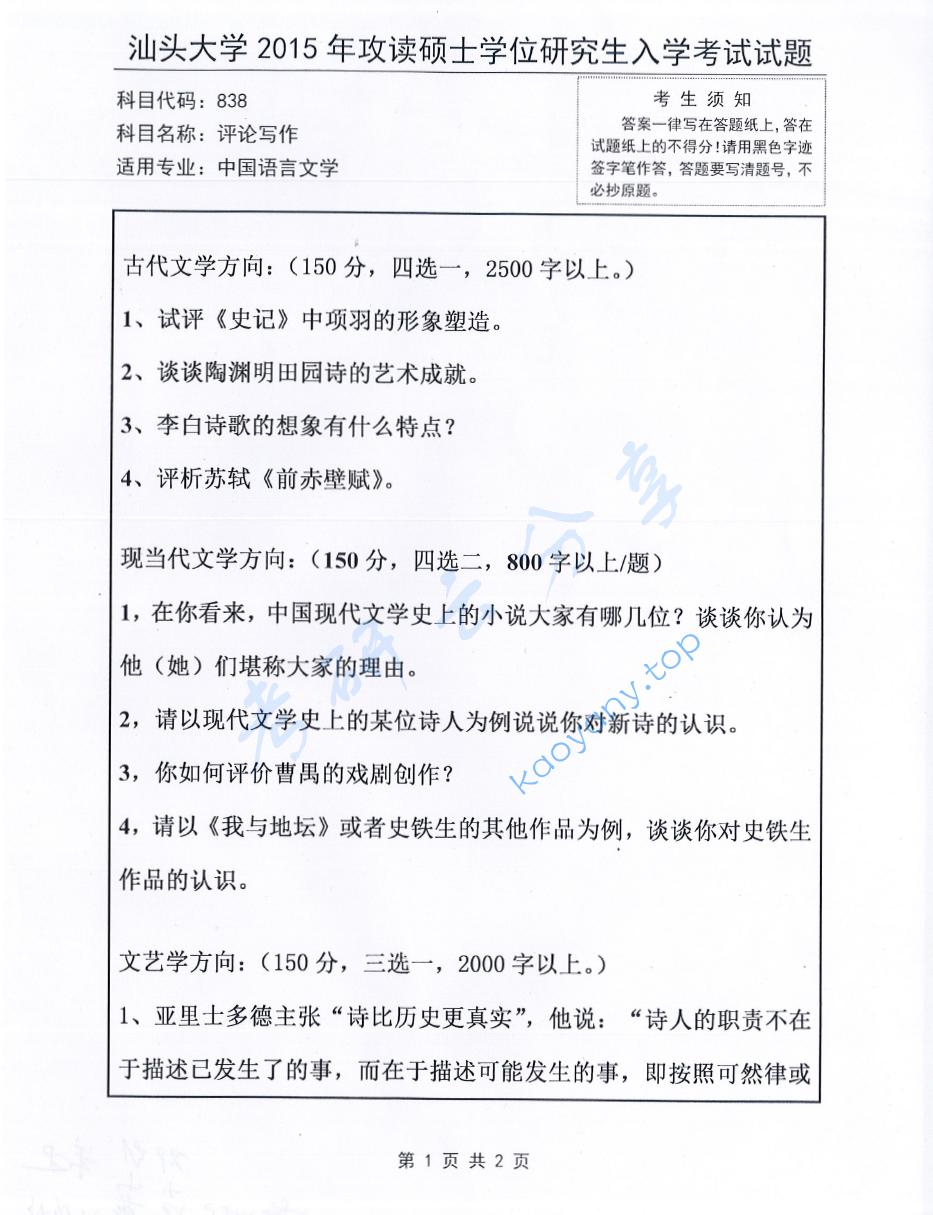
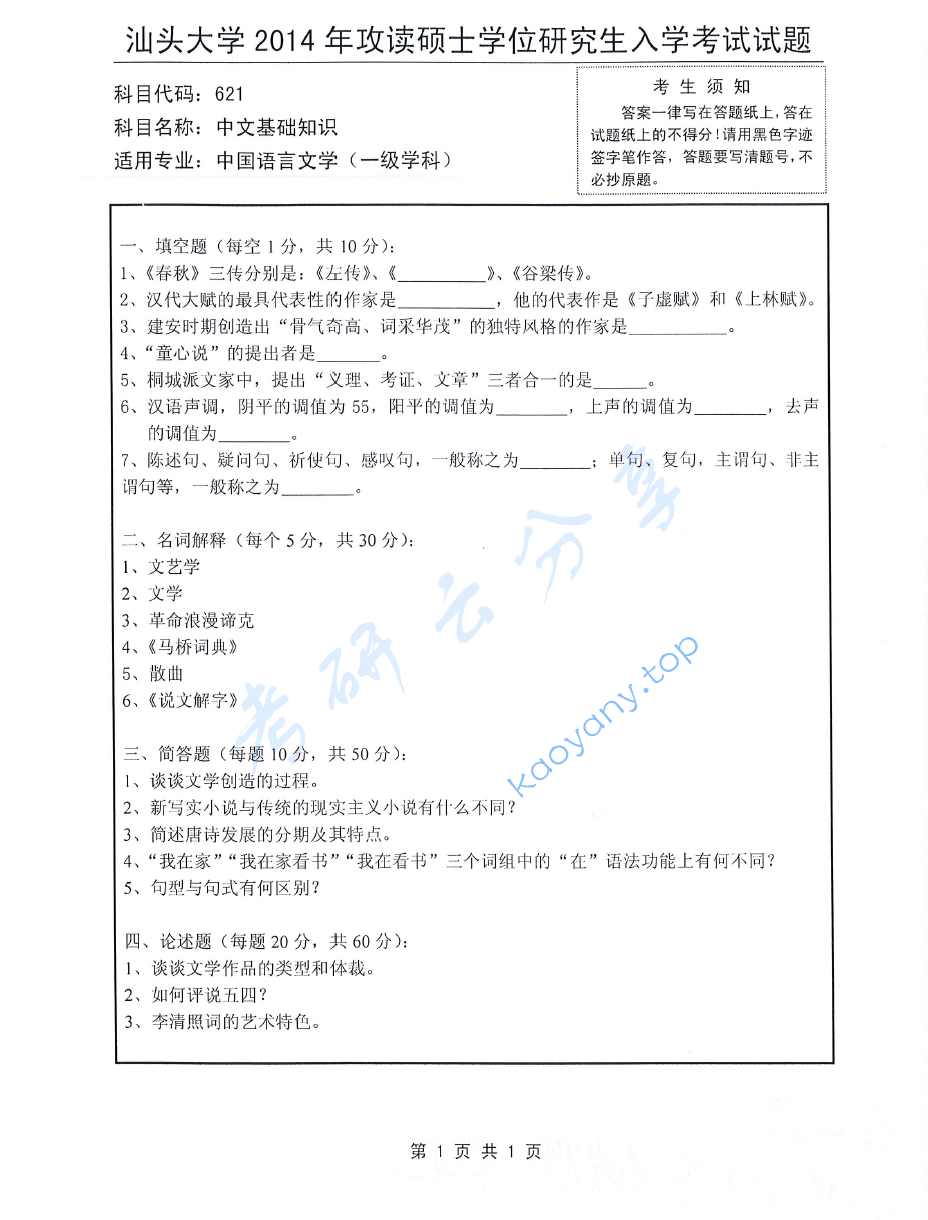
2012年南开大学中国古代文学考研真题--720文学基础一词语解释(任选5题,每题6分,共30分)1、文学活动四要素2、“三言二拍”3、常州词派4、文学研究会5、“归来的诗人”6、巴罗克文学二、简答(任选3题,每题15分,共45分)1、何谓“有意味的形式”?2、《论语》的文学特色。3、孙犁小说的艺术特征。4、《巨人传》的狂欢化特征。三、赏析(任选1题,25分)1、王国维说:“词以境界为最上,有境界则自成高格”。下列两首词同样写水畔女子,试就其“境界”加以比较论析。南乡子欧阳炯二八花钿,胸前如雪脸

会员免费

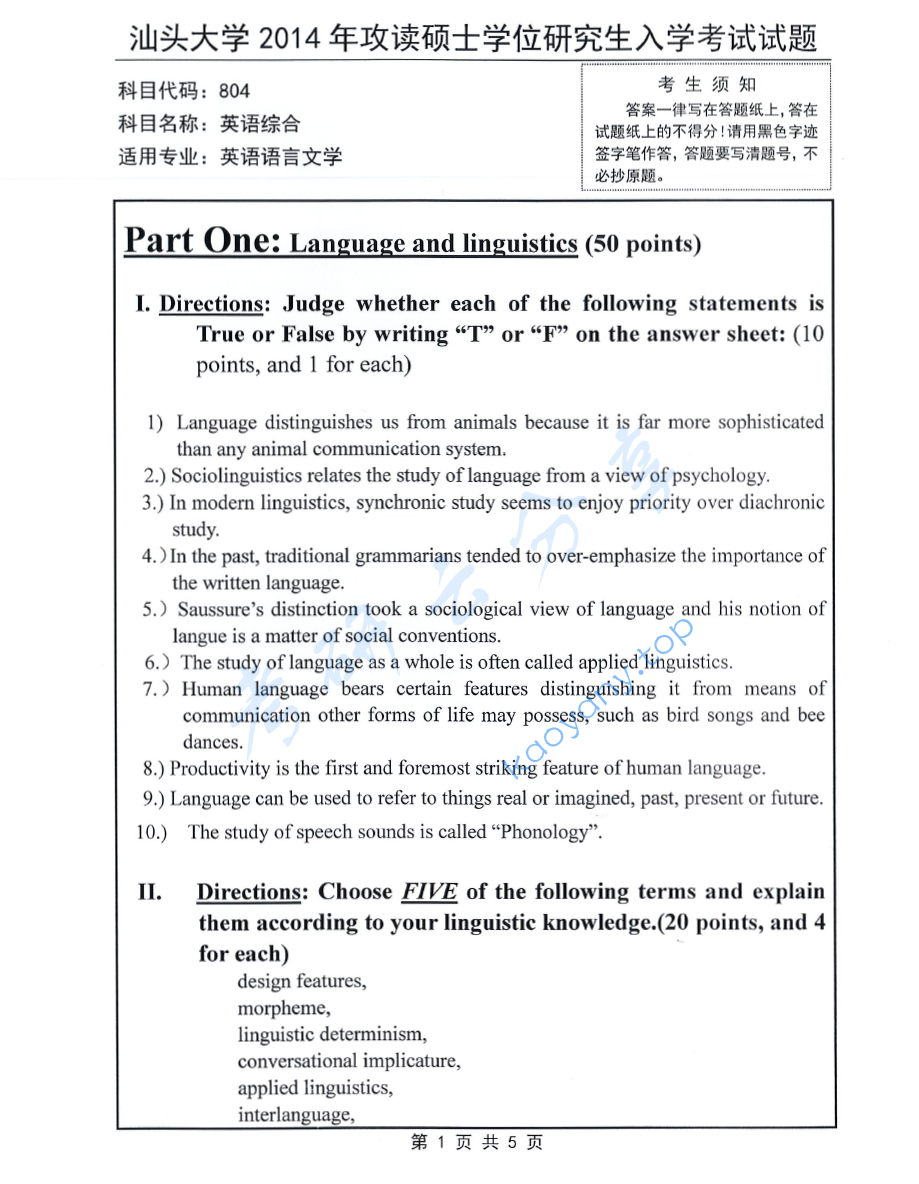
2004年厦门大学319写作与英汉互译考研真题

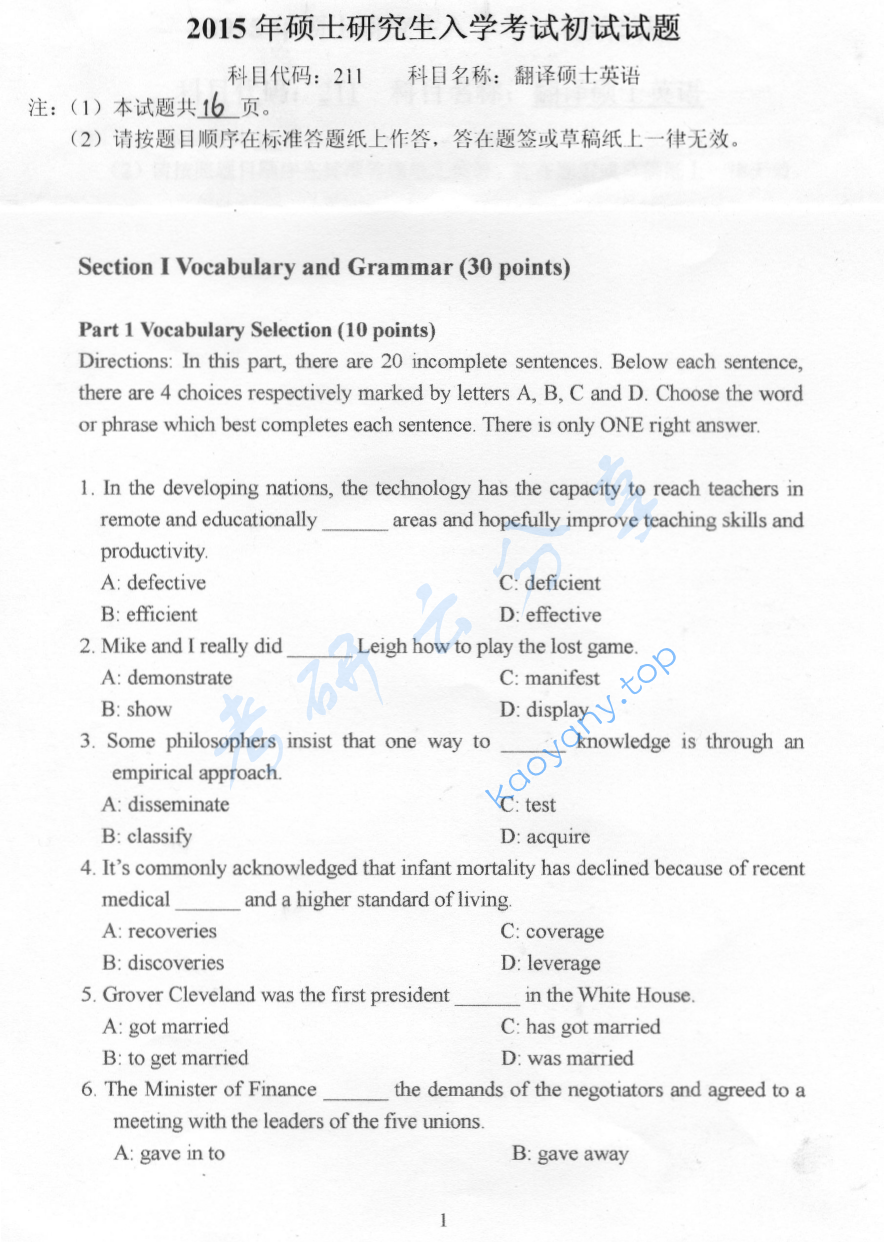
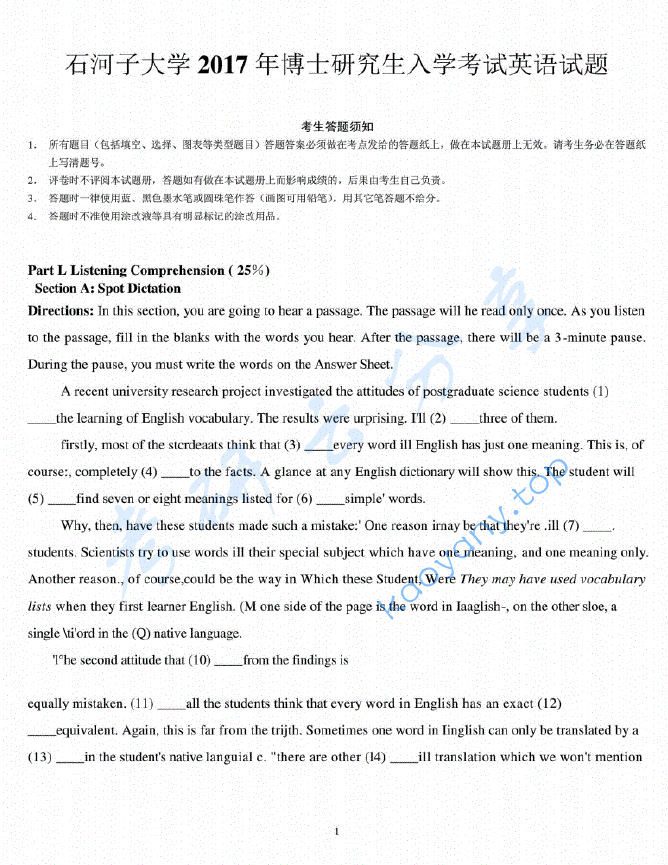
I.Translate the following two passages into Chinese. (35 points) (45 min.)(A)Copyright protection is available for almost all writings ---- books, short stories, magazine articles, newspaper columns, poetry, plays, screenplays, and songs. Both fictional and non-fictional works are covered, and copyright protection is even available for such writings as an index, a master’s thesis, a map, even an original directory, such as the phone book, or a name and address guide to vegetarian restaurants. Does attributing the quoted portion to the author relieve you of liability for copyright infringement? No, but the reverse --- omitting the author credit --- may well make your copying appear to be intentional plagiarism, so that the equitable defense of fair use won’t apply. Fair is fair. … Fair use does not automatically prevent an irate author or publisher from suing you and/or your publisher for copyright infringement with respect to the quoted material. It merely permits you a defense --- an excuse --- to tell the judge if suit is filed.
加载更多